Compressed air remains a critical utility across South African manufacturing, yet several persistent myths continue to increase energy usage, maintenance costs, and downtime. Below is a concise overview of the most common misconceptions we still see in local facilities, and the facts behind them.
“Higher pressure improves performance.”
Increasing regulator pressure often masks the real issue and leads to higher air consumption, elevated electricity costs, accelerated wear, and additional leaks.
Correctly engineered nozzles, air knives, and vacuum generators deliver the required force without unnecessary pressure increases, an important consideration given South Africa’s rising energy tariffs.
“Open pipes work just as well as engineered nozzles.”
Open copper tubes and drilled pipes waste significant compressed air. Engineered nozzles entrain ambient air, reduce noise, and meet OSHA and local safety expectations.
Many South African plants achieve immediate energy savings simply by replacing open pipes with engineered solutions.
“Small leaks aren’t worth fixing.”
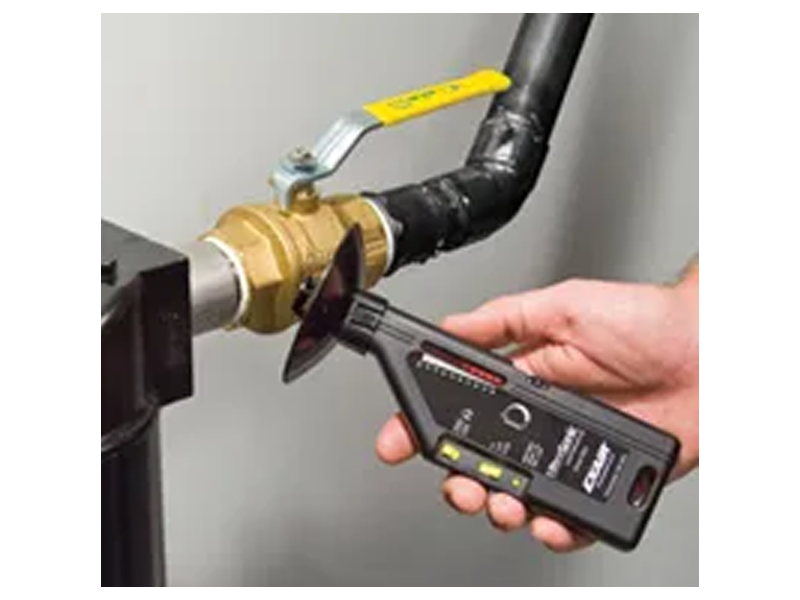
Minor leaks accumulate across fittings, hoses, valves, and quick disconnects. It’s common for facilities to lose 20–30% of their compressed air production to leaks.
With electricity costs continuing to rise, routine leak audits offer substantial savings and reduced compressor runtime.
“Downstream equipment doesn’t need maintenance.”
Filters, regulators, hoses, air knives, nozzles, vacuum generators, and cooling systems all require regular inspection. Contamination and wear reduce performance and increase energy consumption, especially in environments with dust, humidity, and variable air quality.
“Noise is unavoidable with compressed air.”
High noise levels typically indicate inefficient airflow. Engineered products reduce turbulence, improve performance, and support compliance with workplace noise regulations.
Challenging these assumptions often reveals quick, measurable opportunities to reduce operating costs and improve reliability.
David
ETEST
Tel. +27 82 920 4026
david@etest.co.za