For more than a century, Africa’s mining sector has been built on the strength of its people, natural resources, and engineering innovation. Today, however, a new revolution is underway. Unlike previous industrial shifts driven by larger machines or deeper shafts, this transformation is powered by data, connectivity, intelligence, and automation.
Mining companies are increasingly recognizing that the future of operational excellence lies not only in extracting minerals efficiently but also in extracting value from operational data. Intelligent sensors, connected devices, real-time diagnostics, and predictive maintenance are becoming the foundations of the modern mine.
From Reactive to Predictive Operations
Historically, many African mines have relied on preventative maintenance schedules and operator experience to manage equipment performance. While effective, these methods often result in unnecessary maintenance activities or unexpected failures.
The next generation of mining operations is shifting toward predictive maintenance. Connected devices now continuously monitor vibration, pressure, temperature, flow, and equipment condition.
Instead of waiting for a failure to occur, maintenance teams can identify signs of deterioration early and intervene before production is impacted. This transition represents one of the most significant opportunities for African mining companies seeking to improve asset availability while reducing maintenance costs.
In the future, plant managers may receive automated notifications indicating which pump, conveyor, crusher, or flotation cell requires attention days or even weeks before an actual breakdown occurs.
The Rise of the Connected Mine
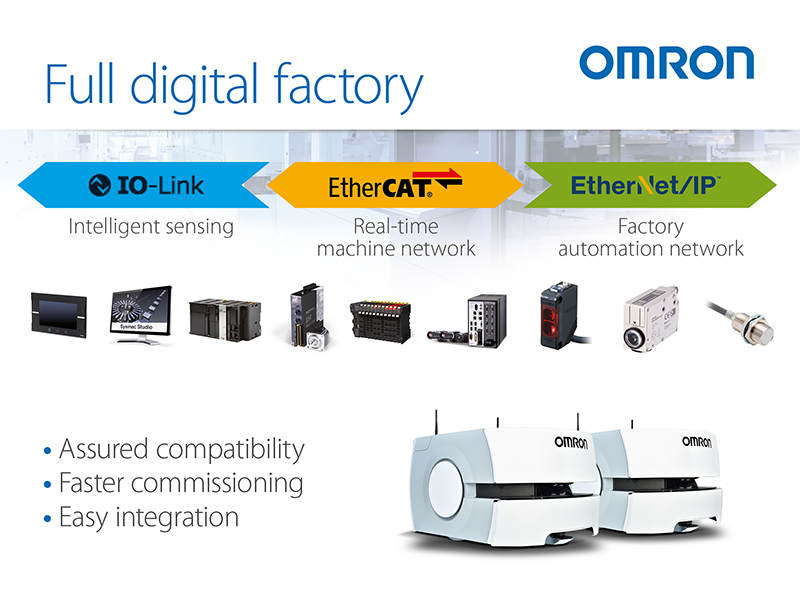
The importance of intelligent sensors and IO-Link technology in providing not only process values but also diagnostic information, health status, and device parameters. This capability is expected to drive the transition toward fully connected mining operations across Africa.
Future mines will increasingly feature:
• Smart conveyors with continuous condition monitoring
• Intelligent pumping stations with self-diagnostics
• Digitally connected process plants
• Real-time equipment health visibility
• Centralized operational dashboards
• Cloud-based analytics platforms
Rather than operators walking long distances to inspect equipment manually, critical information will be available instantly through control rooms, mobile devices, and enterprise systems.
Data Will Become the Most Valuable Resource
Traditionally, gold, platinum, coal, copper, and iron ore have been considered Africa’s most valuable mining assets. In the coming decade, operational data may become equally important. Every sensor, motor, valve, and instrument generates valuable information.
When combined with advanced analytics and artificial intelligence, this data can reveal opportunities to optimize production, reduce energy consumption, improve safety, and maximize recovery rates.
The mining companies that successfully harness this data will gain a significant competitive advantage over those that continue to operate with limited visibility into their processes.
Artificial Intelligence Will Move Underground
Artificial intelligence is no longer a future concept. Around the world, mining companies are already exploring AI-driven maintenance, process optimization, and operational decision support. As African mining operations continue investing in digital infrastructure, AI applications are expected to expand rapidly.
Future AI systems may:
• Predict equipment failures automatically
• Recommend process adjustments
• Optimize energy consumption
• Identify production bottlenecks
• Improve plant throughput
• Enhance fleet management
However, AI is only as effective as the quality of the data it receives. This is why technologies that provide reliable field-level information, such as intelligent sensors and digital communication networks, will become increasingly important.
Safer Mines Through Digital Visibility
Safety remains the highest priority across the mining industry.
The ability to continuously monitor operating conditions provides an additional layer of protection for both personnel and equipment. Early warning systems, automated alerts, and enhanced diagnostics enable operators to respond faster to abnormal conditions before they escalate into incidents.
Future mining environments are expected to leverage:
• Remote monitoring
• Wireless condition monitoring
• Automated shutdown systems
• Real-time hazard detection
• Connected safety infrastructure
The result will be safer operations with reduced exposure to operational risks.
Skills Will Evolve, Not Disappear
One concern frequently associated with automation is workforce displacement. In reality, the African mining workforce is more likely to experience transformation than replacement.
As mines become more automated, demand will grow for:
• Data analysts
• Reliability engineers
• Automation specialists
• Instrumentation technicians
• Control system engineers
• Digital transformation leaders
The successful mine of the future will combine advanced technology with highly skilled personnel capable of interpreting and acting on the insights generated by connected systems.
Looking Toward 2035
The mines that thrive over the next decade will likely be those that embrace digitalization today. Technologies that connect sensors to higher-level systems create the foundation required for predictive maintenance, analytics, artificial intelligence, and autonomous operations.
For Africa, the future mine will be: Connected. Intelligent. Predictive. Automated.
The journey is already underway. The question is no longer whether mining automation will arrive in Africa.
The question is which mining companies will lead the transformation, and which will struggle to catch up.
- By Martin Jooste Sales Engineer – ifm South Africa
- (inspired by industry trends in digital mining and IO-Link-enabled automation)
ifm South Africa
Tel. +27 12 450 0400
info.za@ifm.com