As the world accelerates its transition to renewable energy and electrified transport, batteries are taking centre stage. Their role in storing energy and powering electric vehicles is vital to meeting the sustainability goals set out at COP28.
Two sectors, namely power and transport, are leading the demand for batteries. According to the International Energy Agency (IEA), battery deployment in the energy sector alone increased by over 130% in 2023, adding 42 gigawatts to global electricity systems.
Electric cars, bikes, buses and more have become symbols of a cleaner future, but their rise has also exposed challenges in securing raw materials like lithium, cobalt, copper, and nickel.
Raw Material Risks and Recycling Roadblocks
China currently dominates global battery production and controls the majority of raw material supply. While Europe has its reserves, these remain largely untapped due to long lead times to open new mines. An alternative route is recycling used batteries, but this is more complex than it appears.
The main challenge is the lack of standardisation in battery chemistry and construction. Batteries degrade over time, changing structurally and chemically, which makes it difficult for recyclers to know what they’re dealing with, even if databases exist. Changes in suppliers or internal damage can also affect composition and safety.
Recycling also requires very high levels of purity. Lithium, for example, must be 100% pure to be reused. Any contamination during recovery renders it unfit. Additionally, batteries are not always returned in good condition, and hidden damage from accidents or misuse further complicates recycling.
Second-Life Potential and Practical Limitations
Not all end-of-life batteries need to be dismantled. If their capacity remains above 80%, they can potentially be reused in stationary energy storage systems.
However, assessing second-life potential is a lengthy process, and a consistent supply of identical battery types is required for large-scale storage, as mixing different batteries is not feasible.
Manual Dismantling: Slow and Risky
Battery dismantling remains largely manual. It’s a dangerous and slow process requiring careful discharge and separation of components. Workers are at risk of electric shock and exposure to toxic substances like solvents and electrolytes.
The current recycling process is not scalable or safe without significant intervention.
Regulations Bring Hope – but Also Delay
The EU Batteries Regulation is a major step towards circularity. It introduces efficiency targets, mandates recyclability, and, crucially, requires batteries in vehicles and electronics to be removable.
From 2027, large batteries sold in the EU will also require a digital “battery passport” accessible via QR code, helping recyclers understand their composition.
Unfortunately, there is a long wait before this has a real impact. With most batteries lasting 8–15 years, those with digital passports won’t enter the recycling stream until 2035 or later. Until then, smarter testing and identification tools are urgently needed.
The Role of Automation
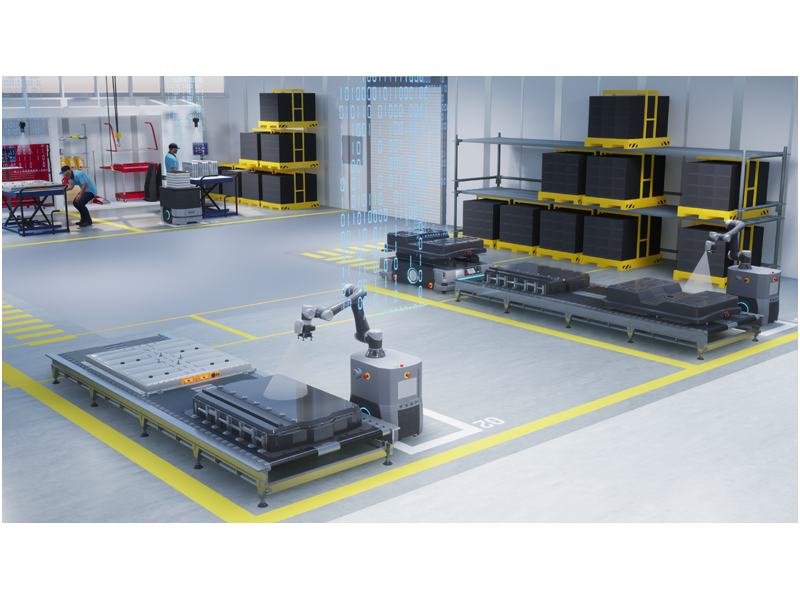
Automation offers a transformative solution. Combining vision and sensing with AI and robotics allows for safe, efficient battery identification and dismantling. Robots can perform high-risk tasks, while digital tools can improve material separation and reduce human error.
OMRON is contributing its automation expertise to Germany’s DiLiRec research project, which is developing sustainable recycling methods for lithium iron phosphate (LFP) batteries.
Efficient sorting, dismantling and electrode stripping, along with improved data collection, are key focus areas. OMRON’s contributions in robotics, data analytics, and AI are helping to accelerate progress toward a circular battery economy.
Europe’s reliance on imported raw materials threatens the long-term growth of its energy and transport sectors. Investing in battery recycling infrastructure and automating it is crucial. By helping unlock safe, efficient, and circular battery recycling, OMRON is proud to be part of the solution driving a more sustainable, battery-powered future.
Cezanne Gonsior
Omron Electronics (Pty) Ltd
Tel. +27 76 062 8668
Cezanne.gonsior@omron.com
www.industrial.omron.co.za